Vera Schwarz · 13 October 2026
Sediment Core Analysis from Remote Northern Shores Reveals Historical Shifts in Intertidal Mollusk Settlement Patterns Over Decades
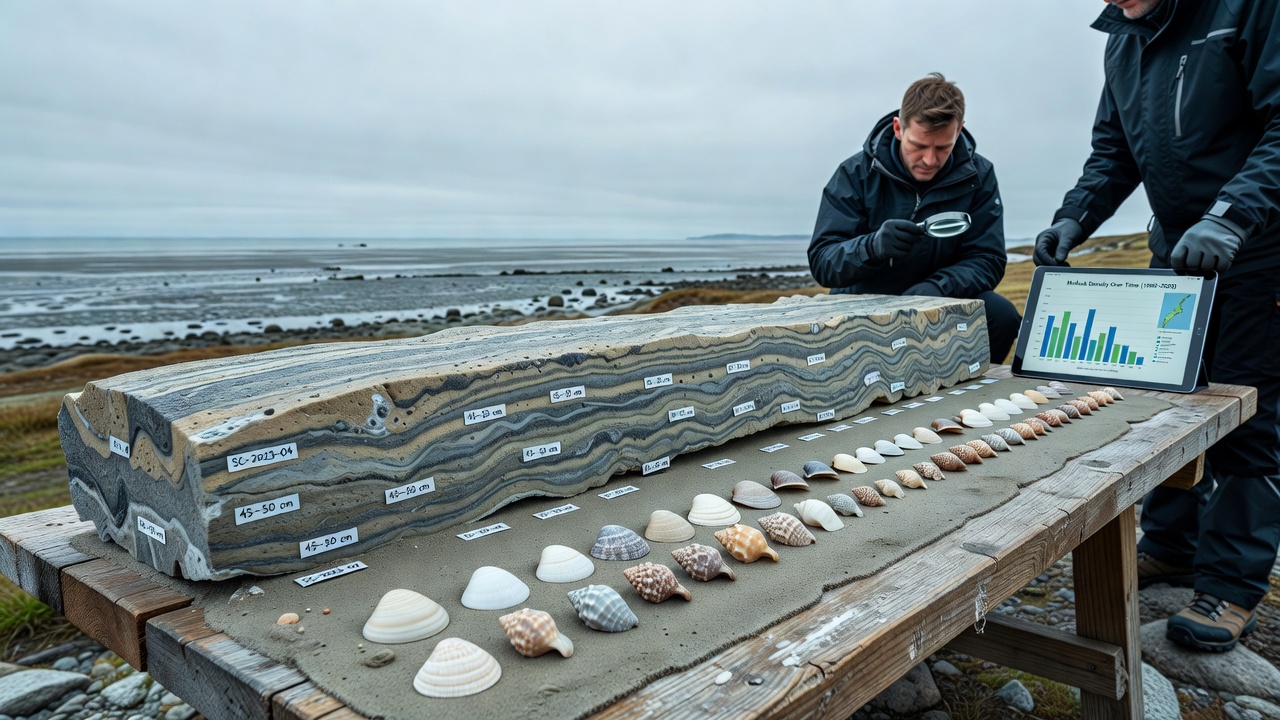
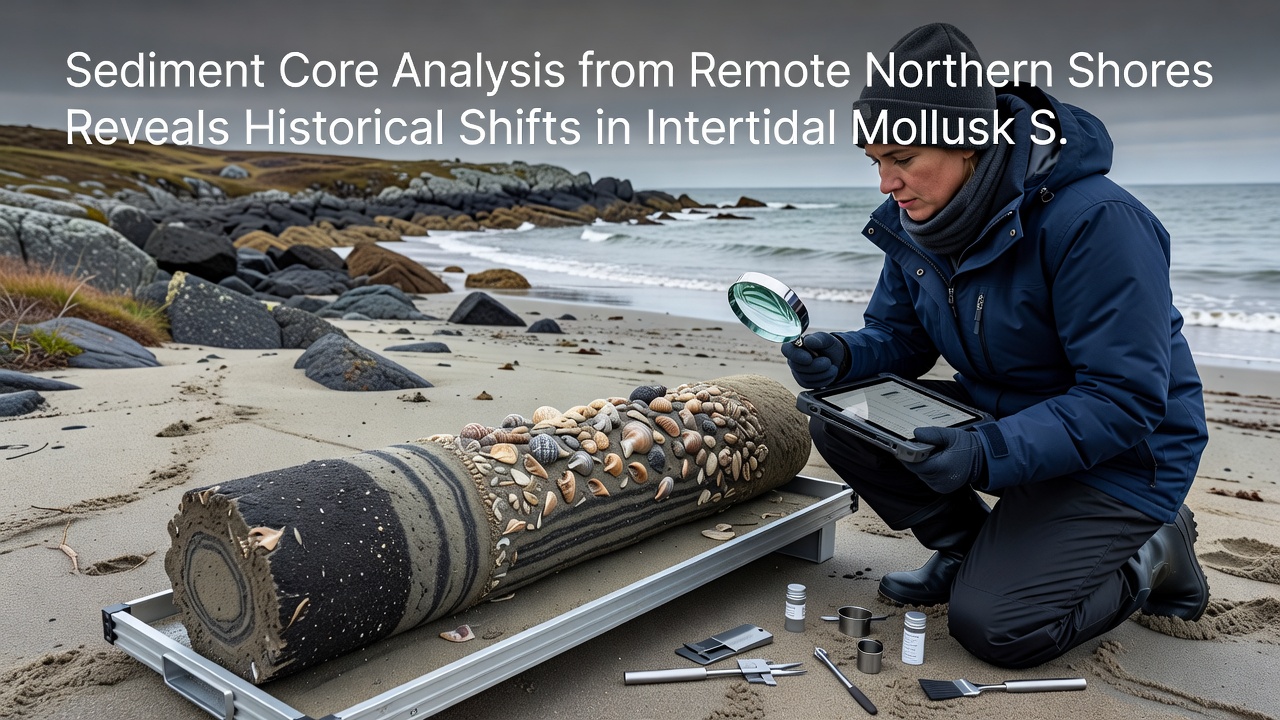
Researchers working along isolated stretches of coastline in the northern latitudes have turned to sediment core analysis to track changes in how intertidal mollusks have settled over multiple decades and the data points to clear alterations in species distribution and abundance. These remote shores, far from urban centers, provide undisturbed records preserved in layered mud and sand that accumulate year after year. Teams extract cylindrical samples several meters long then slice them into thin sections for microscopic examination and radiometric dating so that each layer corresponds to a specific time period stretching back to the mid-twentieth century.
Methods Behind the Core Extractions
Scientists collect cores using portable vibracorers or hand-driven tubes during low tide windows when the intertidal flats lie exposed and the equipment can reach target depths without disturbing surrounding habitats. Once back in the lab each core undergoes X-ray imaging to identify shell fragments then acid dissolution tests separate calcium carbonate remains from surrounding sediment. Accelerator mass spectrometry dating applied to individual shells assigns calendar years while stable isotope ratios in the same material reveal temperature conditions at the time of settlement. Observers note that combining these techniques produces a timeline accurate to within a few years across spans of sixty or seventy decades.
Documented Changes in Settlement Patterns
Data from multiple northern sites indicate that certain bivalve species once dominant in the 1970s and 1980s now appear at markedly lower densities in younger layers while others have increased their presence since the early 2000s. Gastropod remains show parallel trends with some taxa expanding upward into higher intertidal zones that previously supported different communities. These shifts coincide with measured changes in sea surface temperatures and seasonal ice cover duration yet the cores also preserve evidence of episodic events such as storm surges that temporarily reset local populations. Researchers cross-reference the core records with historical survey logs kept by coastal monitoring stations to confirm that the layered evidence matches observed live counts from earlier periods.
One study conducted along the shores of the Canadian Arctic Archipelago found that settlement pulses for a cold-adapted mussel species declined steadily after 1995 while a more temperate clam began appearing regularly after 2010. Similar patterns emerged in cores taken from northern Norwegian fjords where parallel warming trends have been recorded. The consistency across distant locations suggests broad-scale drivers rather than isolated local factors although site-specific currents and substrate types still influence the exact timing of each change.
Linking Core Data to Environmental Records
Researchers compare the mollusk timelines directly with instrumental measurements of salinity, pH, and nutrient levels maintained by government agencies across the northern hemisphere. Fisheries and Oceans Canada maintains long-term datasets from automatic buoys that align closely with the periods of greatest change identified in the cores. In parallel the Norwegian Institute for Water Research supplies comparable records from the Barents Sea region that reinforce the same sequence of shifts. The combined datasets reveal that settlement windows for several species now open earlier in the spring and close later into autumn compared with patterns from the 1960s and 1970s.
Additional layers within the cores contain pollen and diatom frustules that provide independent proxies for surrounding terrestrial and marine conditions at each interval. When these indicators are plotted together with mollusk counts the resulting graphs show that periods of rapid species turnover often follow years with reduced summer sea ice and elevated freshwater input from melting permafrost. Such correlations allow modelers to test predictions about future settlement distributions once they calibrate the models against the full historical sequence preserved in the sediment.
Ongoing Monitoring Through Late 2026
Field teams returned to several core sites in October 2026 to collect fresh surface samples that extend the existing records through the most recent seasons. Preliminary examination of these top layers indicates continued presence of the temperate species that first appeared in the 2010s along with stable but low numbers of the previously dominant cold-water forms. The new material also captured a brief spike in one opportunistic gastropod following an unusually warm summer that reduced ice scour across wide stretches of shoreline. These latest additions keep the timelines current and allow direct comparison with satellite-derived sea surface temperature maps released the same month.
Implications for Coastal Ecosystem Understanding
The sediment records supply baseline information that helps resource managers anticipate how intertidal communities may respond to continued environmental variation. Because the cores capture both gradual trends and abrupt events they offer a fuller picture than short-term surveys alone can provide. Fisheries biologists now incorporate these long-term settlement histories when setting harvest guidelines for species that rely on predictable recruitment pulses in northern waters. At the same time the data highlight the value of maintaining remote reference sites where human disturbance remains minimal so that natural variability can be distinguished from other pressures.
Conclusion
Sediment core analysis from remote northern shores continues to document measurable shifts in intertidal mollusk settlement that span multiple decades and reflect wider environmental changes. The combination of precise dating, species identification, and cross-referenced environmental records produces a factual account of how these communities have adjusted over time. As additional cores are processed and monitoring extends further the resulting datasets will support more refined understanding of the processes that shape northern intertidal ecosystems.