Zara Patterson · 29 September 2026
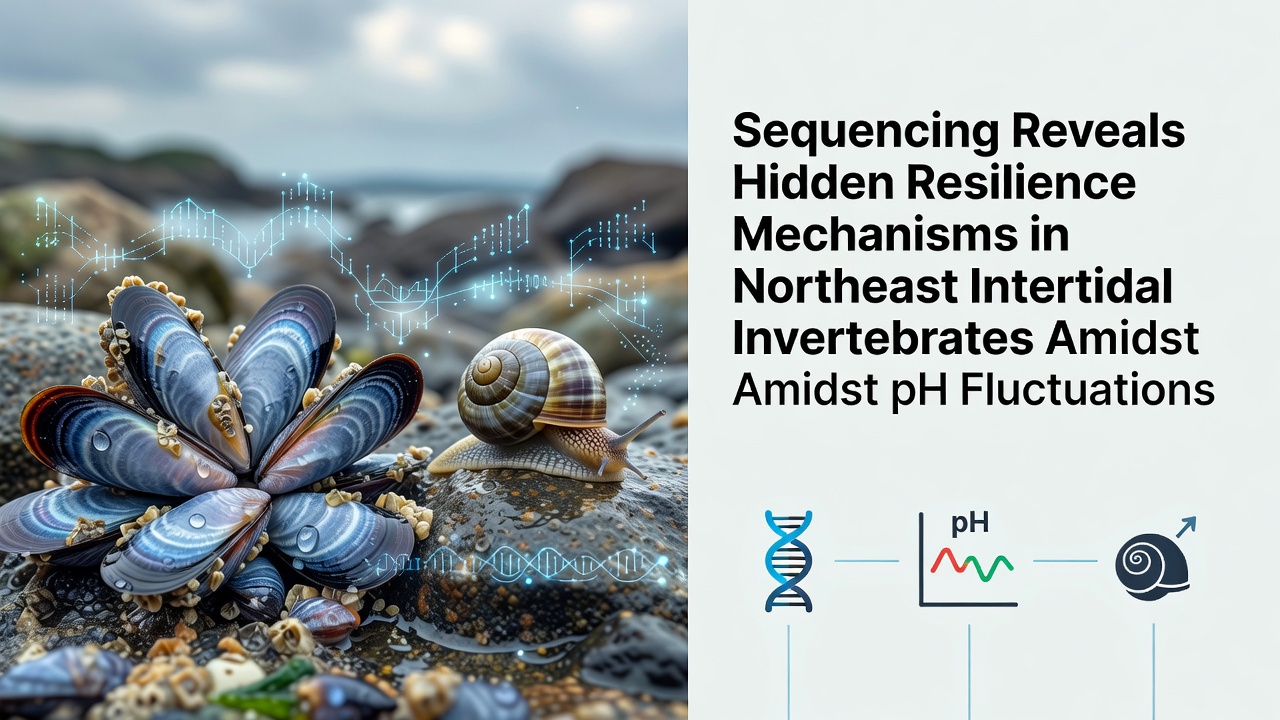
Sequencing Reveals Hidden Resilience Mechanisms in Northeast Intertidal Invertebrates Amidst pH Fluctuations
Genomic sequencing projects along the Northeast coast have uncovered specific genetic pathways that allow intertidal invertebrates to maintain function during rapid pH shifts, and researchers continue to map these responses across multiple species in the Gulf of Maine and Long Island Sound regions.
Intertidal pH Dynamics in the Northeast
Daily tidal cycles combined with seasonal freshwater inputs create pH swings that often exceed 1.5 units within a single 12-hour period in many Northeast intertidal sites, and data collected by monitoring stations show that these fluctuations intensify during summer months when respiration rates rise. Blue mussels, barnacles, and sea stars in these zones experience repeated exposure to both acidic and alkaline conditions, yet populations persist without widespread mortality events recorded in recent surveys.
Studies conducted through 2025 documented baseline pH ranges between 7.4 and 8.9 at representative locations, while September 2026 sampling runs at the same stations revealed slightly narrower daily amplitudes at several Maine sites, possibly linked to changes in upwelling patterns and river discharge volumes.
Sequencing Approaches and Data Collection
Teams extracted RNA and DNA from specimens collected at multiple tidal heights, then applied whole-transcriptome sequencing to identify differentially expressed genes during peak pH stress periods, and parallel whole-genome sequencing on select populations provided reference assemblies for comparison across geographic gradients. These methods allowed direct observation of which regulatory elements activate under low-pH conditions versus high-pH recovery phases.
Sample processing occurred at facilities equipped with standardized protocols that minimize degradation, and resulting datasets were deposited in public repositories for cross-validation by additional research groups.
Identified Resilience Pathways
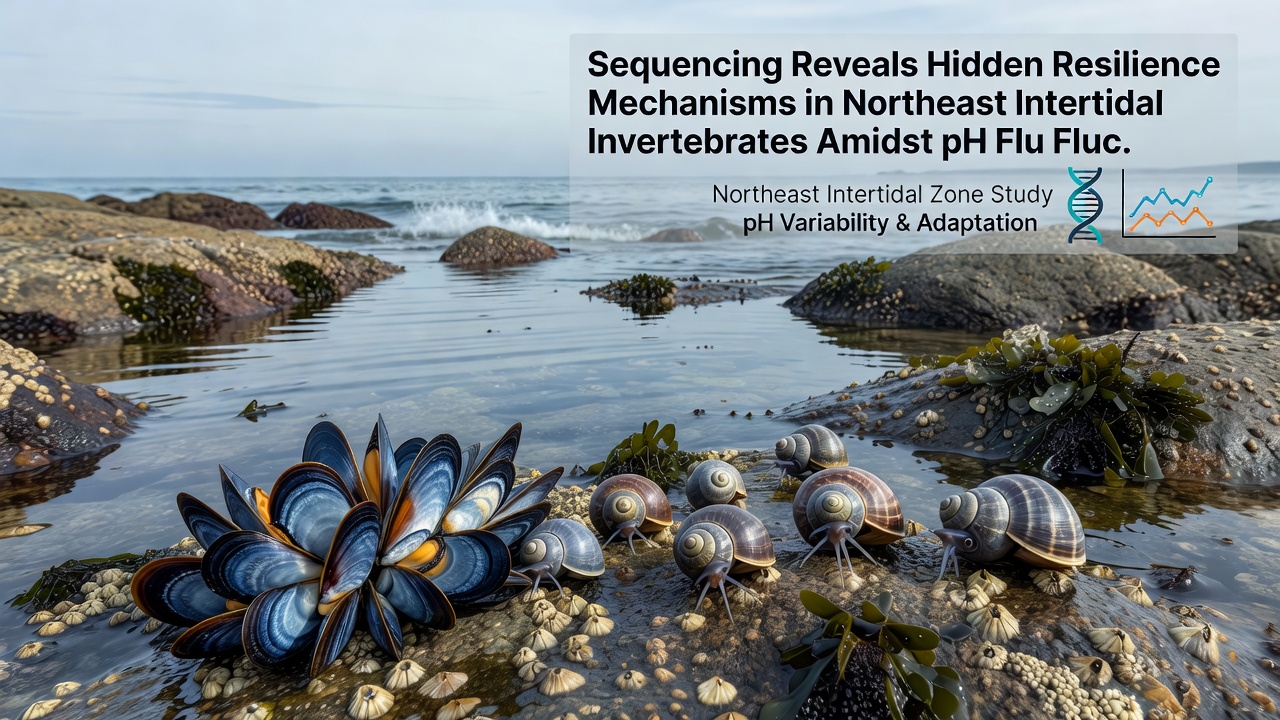
Sequencing results highlighted upregulated expression of genes involved in ion transport and bicarbonate regulation, which help maintain internal pH homeostasis even when external conditions change rapidly, and additional transcripts related to cytoskeletal maintenance and protein folding showed coordinated activation during the most extreme swings. These patterns appeared consistently across mussel and barnacle samples but varied in timing and intensity among sea star populations.
Epigenetic markers detected in the genome assemblies suggest that some resilience traits may be passed to offspring without direct sequence changes, providing a potential mechanism for rapid adaptation within a few generations. Population-level comparisons indicated higher baseline expression of certain stress-response genes in individuals from more variable tidal zones compared with those from more stable subtidal habitats.
Geographic and Species Variations
Northern sites near the Canadian border exhibited stronger expression of calcium-binding proteins during low-pH events, whereas southern populations showed greater reliance on heat-shock protein networks, and these differences align with documented gradients in temperature and salinity that accompany pH fluctuations. Data from the National Oceanic and Atmospheric Administration monitoring network supplied supporting environmental context for interpreting these regional distinctions.
Comparative analysis with datasets from the CSIRO ocean acidification program in Australia revealed partial overlap in ion-transport gene families, although the Northeast species displayed additional regulatory elements not prominent in the southern hemisphere samples.
Integration with Broader Ecosystem Monitoring
Findings from the sequencing work feed into ongoing intertidal surveys that track community composition and recruitment rates, and early indicators suggest that species possessing the newly identified gene expression profiles maintain higher settlement success during years with elevated pH variability. Continued integration of genomic data with physical measurements will help clarify thresholds beyond which resilience mechanisms may become insufficient.
Conclusion
Sequencing efforts have mapped concrete molecular responses that support invertebrate persistence in fluctuating Northeast intertidal environments, and these results establish a foundation for tracking how populations respond to future changes in ocean chemistry patterns. Further refinement of these genetic markers will support more precise forecasting models for coastal ecosystems.